Happy Rabbit: The Playful Font That Makes Every Design Hop
More Than Just a Typeface: The Personality of Happy Rabbit
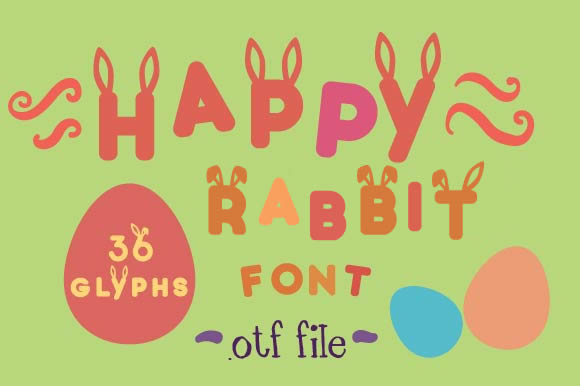
When you first encounter the Happy Rabbit font, its charm is immediate. This isn't just another display font; it's a creative font with a distinct, joyful personality. The defining feature, of course, is the subtle addition of bunny ears that appear on the lowercase characters. This single design choice transforms standard letters into something whimsical and instantly recognizable. The overall style leans into a friendly, approachable aesthetic. It’s not a script font or a handwritten font in the traditional sense, but it borrows a sense of organic playfulness from those categories. The letterforms are clean and legible, making it a practical premium font for more than just novelty. Its appeal lies in its ability to inject warmth and a seasonal spirit into a project without sacrificing clarity. For a designer, it’s a tool that carries built-in mood—perfect for when a project needs to communicate celebration, innocence, or a touch of whimsy.
Practical Applications: Where Happy Rabbit Truly Shines
The versatility of Happy Rabbit is one of its greatest strengths. It excels as a thematic asset for specific, focused projects. Think beyond the obvious Easter basket. This font is a powerhouse for brand identity work targeting family, children, or pet-related businesses. A bakery specializing in decorated cookies, a boutique children's clothing line, or a pet grooming service could use it in their logo design to establish an immediate, friendly connection with their audience. In packaging design, it can make a product feel festive and special, ideal for seasonal treats or gift boxes.
For marketing and social media graphics, its utility is clear. Happy Rabbit is perfect for creating eye-catching Instagram stories announcing a spring sale, Facebook event banners for a community egg hunt, or Pinterest pins promoting DIY crafts. Its unique character ensures your content stands out in a crowded feed. In the realm of editorial design and publishing, it can be a secret weapon. Use it for chapter headings in a children's book, for pull quotes in a family-oriented magazine, or as the headline font for a blog post about holiday traditions. The key is strategic use—it’s a display font meant for impact, not for body copy.
For crafters and small business owners, the font simplifies the creation of physical products. Designing nursery wall decals, custom invitation suites, party decorations, or even monogrammed apparel becomes a more straightforward process. The font does the heavy lifting of thematic design, allowing you to focus on layout and color. This makes it an invaluable design asset for entrepreneurs who may not have extensive graphic design training but need professional-looking results.
Design Intelligence: Using Happy Rabbit with Purpose
A skilled designer knows that a themed font like Happy Rabbit requires thoughtful application. Its strongest influence is on visual hierarchy and audience engagement. Used as a headline, it immediately sets the tone and draws the eye, telling the viewer exactly what kind of experience to expect. This clarity can strengthen brand perception, positioning a business as fun, approachable, and detail-oriented. However, its very distinctiveness means overuse can dilute its impact or make a design feel cluttered.
When evaluating a project for fit, ask: Does the core message align with the font's playful, celebratory personality? For a formal legal document, it’s obviously wrong. For a flyer for a community pet parade, it’s perfect. A critical step is font pairing. Happy Rabbit works best when balanced with a neutral, highly legible companion. Pair it with a clean sans serif font for body text or a simple serif font for a more classic contrast. This contrast allows the decorative font to shine without causing visual fatigue. Always test your pairings at the size they’ll be viewed—a headline on a poster versus a subhead on a website.
Practical considerations are also key. The font’s licensing should be reviewed to ensure it covers your intended use, whether for personal projects or commercial merchandise. While the SVG, PNG, and DXF versions offer fantastic flexibility for crafters working with cutting machines, the standard font file is your go-to for most digital and print design work within software like Adobe Illustrator, Photoshop, or even Canva. Evaluate its readability in your specific context. At small sizes, the ear details might become muddy, so it’s best reserved for larger applications where its character can be fully appreciated.
Ultimately, Happy Rabbit is more than a seasonal novelty. It’s a specialized tool in a designer’s kit—a way to inject specific, positive emotion into a project efficiently. Used with intention, it can elevate a simple design into a memorable experience, whether you’re crafting a personal invitation or building a brand’s spring campaign. Its value lies in its clear personality and the instant connection it forges with an audience looking for a bit of joy.